You know how life has this strange rhythm? Some days you wake up feeling on top of the world — clear-headed, creative, inspired. It feels like you can handle anything, and the whole world is somehow lining up to support you. Ideas flow easily, conversations feel light, synchronicities appear. It’s as if life itself is carrying you forward.
And then there are the other days. The air feels heavier. Your confidence wobbles, doubts creep in, and old insecurities return like uninvited guests. It feels as though you’re shrinking inside, folding in on yourself.
I used to think there was something wrong with me for not being able to stay in that “high place” all the time. Why couldn’t I just hold onto the flow, the clarity, the joy? But over time, and especially through my practice of meditation, I started to see a pattern. Life isn’t random. It’s more like we’re all constantly moving through a funnel.
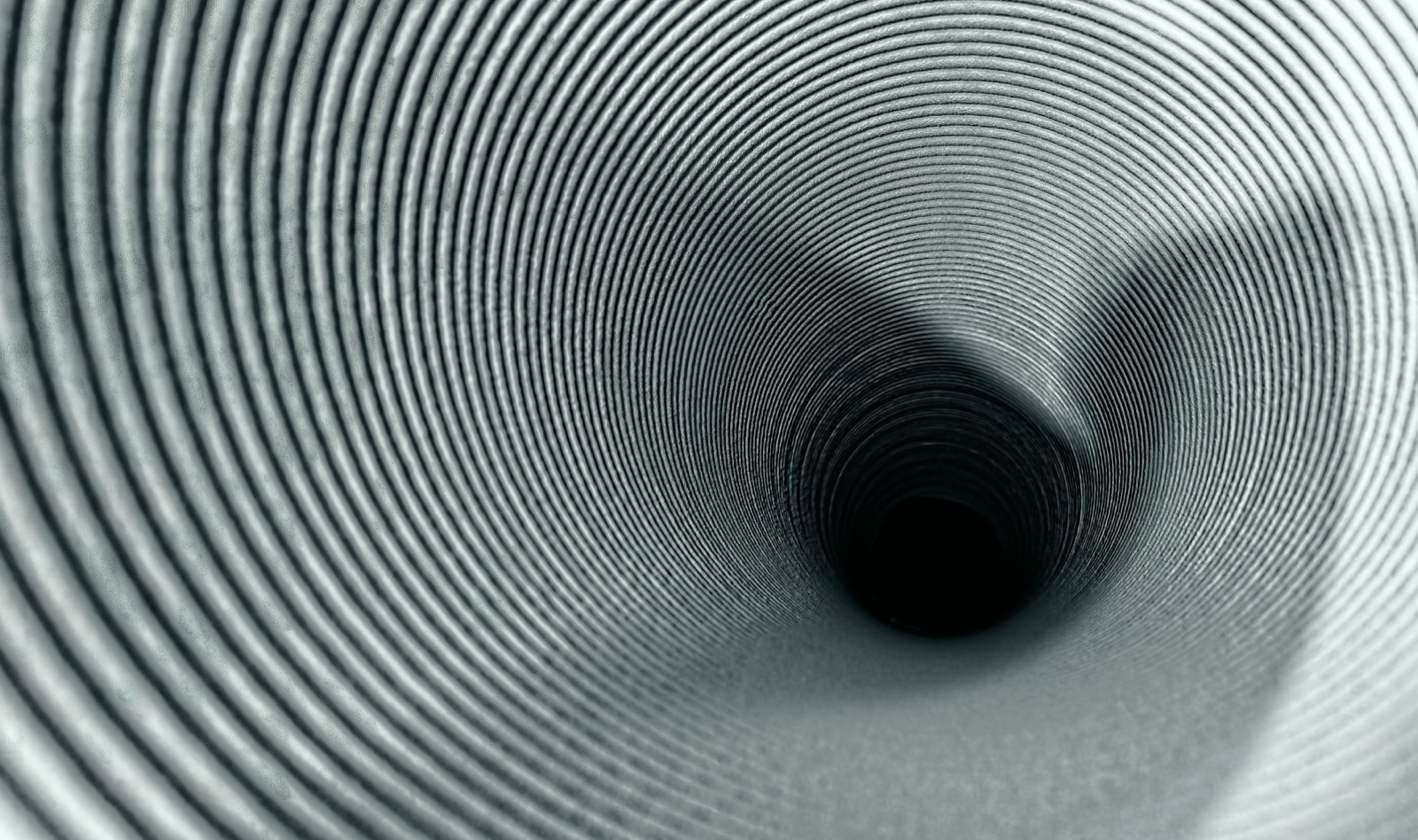
The Funnel of Consciousness
At the wide end of the funnel, everything feels expansive. There’s room for inspiration, creativity, play, trust, connection. It’s where we feel like the best version of ourselves.
At the narrow end, things contract. We feel squeezed, tight, limited. Old fears, doubts, or shame come up. We start hiding parts of ourselves or pulling back from the world.
And the truth is, we’re in motion between the two — always moving and shifting.
Why We Find Ourselves in the Narrow End
The narrowing happens for a few reasons:
Stress builds up. Our bodies hold onto experiences we haven’t fully processed, and when the load gets heavy, we feel it as contraction.
Old patterns resurface. Just when we’re about to expand, the old protective mechanisms come back: “Don’t get too big. Don’t risk it. Remember what happened last time?”
Fatigue and overwhelm. The more we push, the more life nudges us inward. Narrowness is sometimes nature’s way of saying, “Pause. Integrate.”
It’s the rhythm of life. Just like the seasons, the inhale and exhale, expansion and contraction are both necessary.
When you finally accept that the narrow end isn’t a punishment, but part of the cycle, everything softens. It’s not about “fixing” the contraction; it’s about learning how to move with it.
What the Wide End Offers
When we’re in the wide end, it feels incredible. Energy flows, opportunities show up, and our sense of self expands. It’s easy to believe in ourselves when we’re here.
But I’ve learned to treat those moments with a kind of reverence. Instead of taking them for granted, I lean in — I create, I share, I connect. I also remind myself: this is a cycle. The wide end won’t last forever, but that’s not a bad thing. It’s simply part of the dance.
My Experience with Vedic Meditation
When I first learned Vedic Meditation, I didn’t realise how much it would shift my relationship with this funnel. Life still carried me through wide and narrow phases, but the texture of the ride changed.
Before, when I slipped into the narrow end, I would get stuck there for a long time. My thoughts would spiral, I’d push against the feelings, and the harder I resisted, the more claustrophobic it felt.
But meditation gave me an anchor. Twice a day, I could dissolve layers of stress that kept me lodged in the narrow space. I started to notice I was spending more time in the wide end — more open, more creative and present. And when the contraction came, it wasn’t as scary. I could move through it more gracefully, without feeling like I’d failed.
Most importantly, meditation gave me a deeper knowing. A knowing that the wide end always returns. A knowing that the narrow end isn’t a mistake but part of the design. A knowing that there is a rhythm to life, and I can meet it with steadiness rather than resistance.
What Vedic meditation also reveals, is that you are not simply moving through the funnel — you are the funnel itself. Your true nature is the wide, expansive end. The narrow tip is an illusion, even though it feels very real when you’re in it.
You still experience it, of course, but you begin to see it differently. You don’t buy into the stories the mind is spinning in that moment. You realise: this isn’t who I am, it’s just something passing through.
That shift changes everything. The narrow end no longer feels like a trap, but it becomes a momentary squeeze in a much larger space that is always available to you.
How We Can Work with the Funnel
Here are some things that might help:
Notice where you are. Just asking, “Am I in the wide part or the narrow part right now?” brings awareness. It stops you from making one state your whole identity.
When you’re wide: Lean in. This is the time to create, to take action, to connect. Capture the inspiration while it’s alive — write the idea down, send the message, start the project. Even little steps taken in this expansive state carry momentum. Think of it as planting seeds while the soil is fertile.
When you’re narrow: Don’t fight it. Rest, walk, journal, meditate. Let the emotion flow rather than shutting it down. Small, manageable actions help keep you moving forward gently — tidying a corner of the house, cooking something nourishing. These little actions remind you that you’re not stuck; you’re still moving, just at a different pace.
Anchor yourself daily. A simple, effortless practice like Vedic Meditation makes the wide end more accessible and smooths your passage through the narrow tip. It doesn’t eliminate the funnel, but it transforms how you travel through it.
We can’t avoid the funnel. It’s part of being human. But we can change how we experience it.
For me, meditation revealed that both ends of the funnel have a role to play: the wide end invites us to soar, while the narrow end asks us to pause, release and realign. Together, they keep us evolving.
And maybe the secret isn’t about clinging to one or avoiding the other, but about learning to lean into the movement itself — to flow with it rather than fight against it.